This lawyer is preparing for disaster scenarios in the Netherlands
Amsterdam Law School
9 February 2026
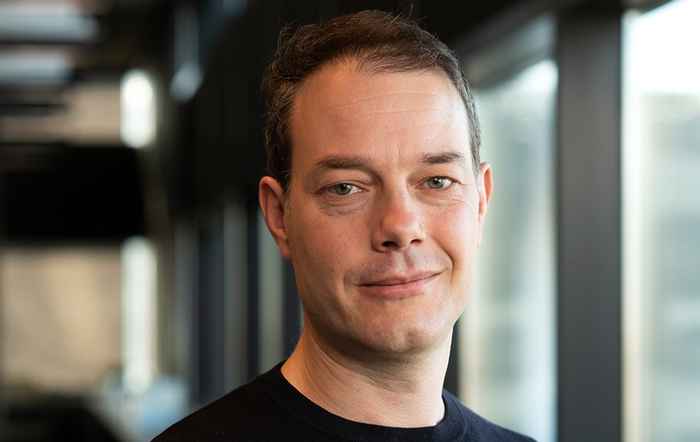
Some people have had an emergency kit at home for months, while others dismiss this as nonsense. Van Daalen falls into the first category. ‘There are people who, due to the long period of prosperity, find it hard to imagine that things could go wrong. But we are heading towards a world shaped by extreme weather, geopolitical tensions and unpredictable leaders such as Trump.’ For his own peace of mind, he examined the systems that keep the Netherlands safe and wrote about disaster scenarios that could become reality, as well as how we can prepare for them.
What are the biggest threats to the Netherlands at the moment?
‘I look at the dangers of flooding, power failures, pandemics, war and autocracy. However, these things are not separate from one another. If one system fails, the other is affected. For example, if there is a major flood, the power may fail, you will no longer be able to use your debit card, and the food in your fridge will spoil. I think ranking threats misses the point of what really matters: that you have to prepare yourself for possible disasters.’

You'll really be ashamed when you have to ring your neighbours' doorbells for drinking water because you've ignored the warnings of the past few months.
How do you prepare for a crisis?
‘Keep it simple. Make sure you have cash, a power bank, water, candles, and food in the house. There is a chance that things will go wrong and that we will be without power. I did feel somewhat embarrassed when I assembled an emergency kit. But a friend of mine rightly said that you'll only really be embarrassed if you have to knock on your neighbours' doors for drinking water because you've ignored the warnings over the past few months. So just do it and not make a big deal out of it. These are things you can take care of yourself in your own life and around your home. There are other things you don't have such a direct influence on, such as the outbreak of war and protecting the rule of law.’
What can lawyers do to keep the Netherlands safe?
‘I am quite concerned about the relevance of lawyers in the future. My expertise lies in cybersecurity and human rights. I still believe I can conduct relevant research in these areas, but I have become more sceptical about the law's importance. The law is only relevant if people agree to abide by it. That is the case in the Netherlands. But at the international level, that is far less true; you can see that right now with Greenland. Without the backing of power, the law does not count for much.’
I am quite concerned about the future relevance of lawyers.
Can we prevent the law from becoming less important?
‘I think in Europe we need to invest much more in digital independence. That is a subject I conduct extensive research on. It is very important to support technical development in Europe, though I sometimes observe a tendency toward excessive criticism. But if you value freedom, it is also important not to be dependent on China for the chips in your phone and not to conduct consultations between Greenland and Denmark via the American Microsoft Teams. And I hope we are moving towards a world of disarmament, but if weapons are needed, I would rather we make them ourselves. If America invades Greenland now, it can disable European weapons because the software is American-made. Protecting the constitutional state from being taken over by autocrats is absolutely vital. In the Netherlands, we are just as vulnerable as other countries.’
How do we protect the Dutch constitutional state?
‘My suspicion is that Trump is a symptom rather than the cause. The question is: where does that come from? I am not an expert in that field, and I do not want to give that impression. But my intuition is that you should not have extreme income and wealth inequality. If we in Europe manage to prevent that, I think we will have a better chance. In the Netherlands, too, there are people who do not benefit from the success of the open, liberal society. That, I believe, is a key part of the problem.’
Prepare yourself, but also enjoy life.
Are you any more reassured after writing this book?
‘I am naturally prone to worry, but while writing, I also realised that some things are not as bad as they seem. I developed a certain admiration for the robustness of some systems. We have devised various emergency scenarios to restart the system in the event of a power failure. That is genuinely impressive. It turns out that I don't need to worry about some things at all. In the Netherlands, for example, we produce much more food than we need. So we won't go hungry any time soon. That doesn't diminish the importance of preparing for a disaster when possible. Once you’ve done that, you should move on. There's no point in living in constant fear. So prepare yourself, but also enjoy life.’